
INTRODUCTION
Hair loss and thinning can affect both men and women and may have a noticeable impact on confidence, appearance, and everyday life. While losing a few hairs each day is normal, excessive shedding, progressive thinning, or a receding hairline may indicate an underlying hair or scalp condition that deserves evaluation.
Laser Scalp Hair Loss Treatment is a non-surgical approach that uses controlled, low-level light to support the activity of hair follicles. It is generally considered most useful for selected people with early or moderate pattern hair loss and may be included as part of a broader hair restoration plan. Research suggests that low-level light therapy can improve hair density in people with androgenetic alopecia, although results vary and it is not suitable for every type of hair loss. Unlike hair transplantation, this treatment does not involve removing or implanting hair follicles. Instead, the goal is to support existing follicles that are still capable of producing hair.
WHAT IS LASER SCALP HAIR LOSS TREATMENT?
Low-Level Laser Therapy (LLLT), also called low-level light therapy or photobiomodulation, uses specific wavelengths of low-intensity light directed at the scalp. The light is designed to reach the scalp without intentionally damaging the skin.
Hair follicles naturally move through different phases of growth and rest. In certain forms of hair loss, follicles can gradually produce thinner, shorter hairs. LLLT is thought to influence cellular activity within the follicle and may help support the growth phase. The exact biological mechanisms are still being studied, but clinical research has reported improvements in hair density in people with pattern hair loss.
The treatment is different from surgical hair restoration. A transplant physically moves hair follicles from one area of the scalp to another, whereas laser therapy works with the follicles already present. It is therefore considered a non-surgical option and does not require incisions, stitches, or a recovery period associated with surgery.
It is important to understand that laser therapy is not a guaranteed cure for baldness. Its effectiveness depends on the cause and stage of hair loss, the condition of the follicles, treatment consistency, and individual response.
WHO CAN BENEFIT FROM LASER HAIR LOSS TREATMENT?
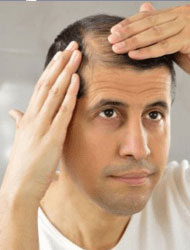
Laser therapy may be considered for people whose follicles are still active but producing progressively thinner or weaker hair. A dermatologist should first determine the cause of hair loss before recommending treatment.
Potential candidates may include:
- Men with pattern hair loss
- Women experiencing gradual hair thinning
- People with early-stage hair loss
- Individuals with weak or thinning hair
- People experiencing temporary shedding after significant stress or illness, when appropriate after diagnosis
- Individuals seeking a non-surgical approach to hair restoration
The treatment is not appropriate for every type of alopecia. Hair loss caused by scarring conditions, certain inflammatory disorders, nutritional deficiencies, hormonal problems, medications, or other medical conditions may require a different approach. A proper diagnosis is therefore an important first step.
SIGNS YOU MAY NEED HAIR LOSS TREATMENT
Hair loss can develop slowly, making early changes easy to overlook. Paying attention to changes in hair density can help you seek assessment before thinning becomes more advanced. Excessive shedding during bathing or brushing, a gradually receding hairline, visible scalp through thinning hair, a widening parting in women, reduced overall density, or slower-looking hair growth can all be reasons to arrange a professional evaluation.
Not every episode of hair fall means that a person needs laser treatment. Hair naturally sheds as part of its growth cycle, and temporary shedding can occur after illness, major stress, rapid weight loss, nutritional problems, or other triggers. The underlying cause should be identified before selecting a treatment.
BENEFITS OF LASER SCALP HAIR LOSS TREATMENT
When appropriately selected, low-level light therapy offers several practical advantages. Studies have reported increased hair density with LLLT in androgenetic alopecia compared with sham treatment, although the size of improvement differs among individuals and studies.
Potential benefits include:
- Supporting the activity of existing hair follicles
- Helping improve the appearance of hair density
- Supporting healthier-looking hair growth
- Providing a non-invasive treatment option
- Avoiding surgery and stitches
- Requiring little or no downtime
- Offering generally comfortable treatment sessions
The aim is usually to strengthen and support existing hair rather than create completely new follicles where follicles have been permanently lost.
HOW DOES THE TREATMENT WORK?
Treatment begins with a detailed examination of the hair and scalp. The dermatologist looks at the pattern of hair loss, scalp condition, hair density, and other signs that may indicate the cause. Once the diagnosis and treatment goals are established, a personalized plan can be prepared. During a laser session, the treatment device delivers controlled low-level light to selected areas of the scalp. The procedure does not require surgical incisions. After the session, most people can return to their normal routine. The exact schedule depends on the device used, treatment plan, and individual needs. Regular follow-up is useful because hair growth is a gradual process and progress needs to be assessed over time.
HOW MANY SESSIONS ARE NEEDED?
There is no single number of sessions that is suitable for everyone. Hair grows slowly, so treatment should not be judged after only one or two visits. Research evaluating LLLT has generally studied repeated treatment over several weeks or months, with some evidence of increased hair density during treatment periods extending from approximately four to 26 weeks.
Your dermatologist may recommend a series of sessions followed by maintenance treatment depending on your response. Consistency is important, but more treatment does not automatically mean better results. The schedule should follow the treatment plan recommended after assessment.
CAN LASER THERAPY BE COMBINED WITH OTHER HAIR TREATMENTS?
Yes. Laser therapy can sometimes form part of a combination hair restoration plan. Hair loss has many possible causes, and using different approaches may be appropriate when they address different aspects of the condition. Depending on the diagnosis, a dermatologist may consider options such as PRP Hair Treatment in Vijayawada, hair growth medications, nutritional correction when a deficiency is identified, and appropriate scalp care. Combination treatment should be individualized rather than automatically applied to everyone. For example, recent research has explored LLLT alongside topical minoxidil, with mixed findings across studies, so treatment decisions should be based on the individual's diagnosis and clinical circumstances.
WHY CHOOSE OUR CLINIC FOR HAIR LOSS TREATMENT
Hair loss treatment works best when the underlying cause is understood first. At Best Skin Hair and laser clinic, the approach focuses on assessment, individualized planning, and appropriate follow-up rather than offering the same procedure to every patient.
Key features of our approach include:
- Evaluation by an experienced dermatologist
- Personalized hair and scalp assessment
- Use of appropriate laser technology
- A comprehensive approach to hair restoration
- Patient-focused consultation and follow-up
The aim is to provide realistic guidance about what treatment can and cannot achieve. Depending on the diagnosis, laser therapy may be recommended alone or as part of a broader treatment plan.
For patients seeking Hair loss treatment in Vijayawada, an initial consultation can help determine whether low-level light therapy is appropriate or whether another treatment would better address the cause.
Persistent hair fall should not be ignored, particularly when you notice progressive thinning, a receding hairline, or visible reduction in hair density. Early evaluation can help identify the cause and provide more options for managing the condition. If you are considering Hair Fall Treatment in Vijayawada, schedule a consultation for a detailed examination of your hair and scalp. A personalized plan can then be developed according to your pattern of hair loss, treatment goals, and overall health.
BOOK A HAIR CONSULTATION
Hair loss is not always caused by the same problem, so choosing a treatment without a proper diagnosis may lead to disappointing results. A professional assessment can help determine whether your hair loss is related to pattern hair loss, temporary shedding, nutritional or hormonal factors, scalp disease, or another condition.
If you are considering Scalp Laser Treatment in Vijayawada, book a consultation for a personalized evaluation and treatment plan. Dr. Udaya Sarvani Poranki and the clinical team can assess your scalp and discuss suitable options based on your individual needs.
If you are looking for the Best Hair Loss Clinic in Vijayawada, take the first step by scheduling a hair and scalp consultation. Early assessment can help you understand your condition, set realistic expectations, and choose an appropriate treatment strategy.
Frequently Asked Questions (FAQs)
1. Does laser hair loss treatment really work?
Clinical studies suggest that low-level light therapy can increase hair density in some people with androgenetic alopecia. However, response varies, and the treatment should not be presented as a guaranteed solution for every type of hair loss.
2. Is laser hair therapy painful?
Low-level light therapy is generally considered a comfortable, non-invasive procedure. Some people may notice mild warmth or temporary scalp sensations during treatment. Individual experiences can vary depending on the device and treatment protocol.
3. How many sessions will I need?
The number and frequency of sessions depend on your diagnosis, stage of hair loss, treatment device, and response. Because hair growth takes time, a series of treatments and ongoing assessment are commonly needed.
4. Is laser therapy safe?
Available clinical evidence generally supports LLLT as a well-tolerated option for selected people with pattern hair loss. Reported adverse effects are usually mild, although treatment suitability should be assessed individually.
5. Can women undergo laser hair loss treatment?
Yes. Women with suitable forms of hair thinning may be candidates. Female pattern hair loss is one of the conditions in which low-level light therapy has been studied. The cause of thinning should be assessed before treatment begins.
6. Can laser therapy regrow lost hair?
Laser therapy primarily aims to support existing follicles. It cannot reliably recreate follicles that have been permanently destroyed. Earlier-stage thinning may therefore offer a more suitable opportunity for treatment than areas where follicles are no longer viable.
7. What is the difference between PRP and laser hair therapy?
PRP uses a patient's own blood-derived platelet-rich plasma, which is injected into selected areas of the scalp. Laser therapy uses controlled low-level light without injections. Both approaches have been studied for pattern hair loss, but their suitability depends on the individual diagnosis and treatment goals.